


What Are the Different Types of Underpinning Methods?
Homes may require underpinning when their foundations start to shift due to soil movement, ageing materials, or changes in structural load. However, you won’t find a one-size-fits-all solution as there are different underpinning methods. The best option for your property will depend on the soil conditions, property design, and the extent of foundation movement.
Understanding the different types of underpinning methods helps homeowners make informed decisions. This blog breaks down the most common underpinning techniques and outlines key factors to consider when selecting the right approach for your property. So, let’s get started.
Mass Concrete Underpinning Method
A widely used traditional approach, this method remains a practical choice for many residential projects where access is manageable, and soil conditions are relatively stable.
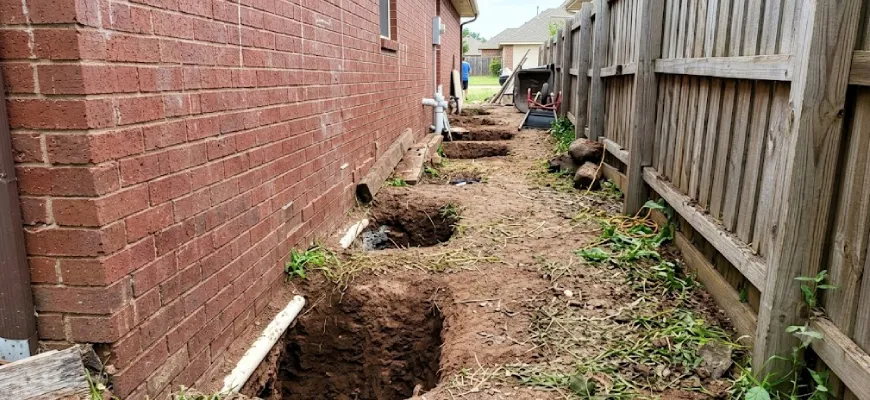
- What It Involves: Also known as traditional underpinning, mass concrete underpinning involves excavating sections beneath the existing foundation and filling them with concrete to strengthen the base.
- How Does It Work / Key Steps: Small sections are excavated in sequence to maintain stability. Concrete is poured into each section, allowed to cure, and then the process is repeated until the entire affected area is reinforced.
- Application: This underpinning technique is ideal for shallow foundations and stable soil conditions where access is straightforward and structural loads are moderate.
Mini-piled and Screw Piles
This method is often chosen when ground conditions are less predictable or when access is restricted. It offers a more adaptable solution compared to traditional techniques.
- What It Involves: This approach uses small-diameter piles driven or drilled deep into stable soil layers. It is often combined with brackets to support the structure.
- How Does It Work / Key Steps: Mini-piles or screw piles are installed into the ground until they reach load-bearing strata. These piles are then connected to the building’s foundation to transfer weight securely.
- Application: Best suited for sites with weak or variable soil conditions, limited access areas, or where minimal vibration and disruption are required during installation.
Piers and Beams Underpinning
Commonly used for more demanding structural requirements, this method provides added strength and load distribution for buildings needing deeper support.
- What It Involves: Commonly known as base and beam underpinning, this method uses reinforced concrete beams supported by piers to stabilise the structure.
- How Does It Work / Key Steps: Piers are installed at intervals beneath the foundation, followed by the construction of concrete beams that distribute the building load evenly across the piers.
- Application: This approach is preferred for deeper foundations and heavier structures where mass concrete underpinning may not provide sufficient support.
Cantilever Needle Beams Method
This technique is typically applied in situations where access beneath the structure is limited, requiring a more engineered and carefully planned solution.
- What It Involves: This method uses beams (acting like needles) inserted through or beneath walls, extending outwards to support the structure while new foundations are constructed.
- How Does It Work / Key Steps: Needle beams are placed through pre-cut holes in the wall and supported externally. These beams temporarily carry the load while underpinning work is completed below.
- Application: Useful for structures with limited access below foundations, though it can be complex and requires careful planning due to structural risks.
Grout / Resin Injection
This modern approach offers a less invasive alternative, making it suitable for properties where disruption needs to be kept to a minimum.
- What It Involves: This underpinning technique involves injecting grout or expanding resin beneath the foundation to fill voids and stabilise the ground.
- How Does It Work / Key Steps: Small holes are drilled into the affected area, and grout or resin is injected under pressure. The material expands or solidifies, lifting and stabilising the structure.
- Application: Best for minor settlement issues, void filling, and situations where low disruption and quick turnaround are preferred.
How to Select the Most Suitable Underpinning Technique?
Choosing between the different types of underpinning depends on several factors. The following points outline what needs to be assessed before selecting the right method. Here are key factors to consider:
Existing Foundation Condition: The extent of damage and the type of existing foundation play a major role in determining which underpinning method is suitable.
- Soil Conditions: Different soils react differently to moisture and load, making soil testing essential before choosing an underpinning solution.
- Structure Size and Weight: Heavier buildings often require deeper or more robust underpinning methods, such as piers or piles.
- Building Design: The layout and accessibility of the property influence which method can be safely and effectively applied.
- Cost and Feasibility: Budget and site constraints can impact the choice of method, especially when specialised equipment is required.
- Risks and Hazards: Potential risks such as nearby structures, underground services, or slope instability must be carefully evaluated.
Get Expert Advice on the Right Underpinning Method Today!
If you’re unsure which types of underpinning methods suit your property, speaking with a professional can give you better clarity. Spot On Reblocking offers tailored solutions based on your home’s structure and soil conditions. We will assess your property and suggest the most suitable option.
Call us on 0431 121 314 / 0415 313 414 to discuss your requirements with our team. Alternatively, you can email us at spotonreblocking162@gmail.com for further information on underpinning techniques in Melbourne. Book your service with us and take the first step towards a stable, secure foundation.